How Technology Is Transforming Facility Management in 2026
Learn how smart building automation helps Facility Managers reduce costs, gain portfolio visibility, and deliver measurable ROI in 2026.
Facility management in 2026 looks very different from the past.
Facility Managers are no longer measured on keeping systems running. They’re increasingly accountable for outcomes: reducing operational costs, improving comfort and reliability, meeting ESG targets, and proving value to the business.
At the same time, the job is getting harder.
In 2026, Facility Managers are expected to manage:
Larger and more complex portfolios
Rising energy and operational costs
Aggressive sustainability and ESG targets
Digitised teams with tighter budgets
The emergence and adoption of AI
This is why smart building automation is moving from a “nice to have” to a core operating layer.
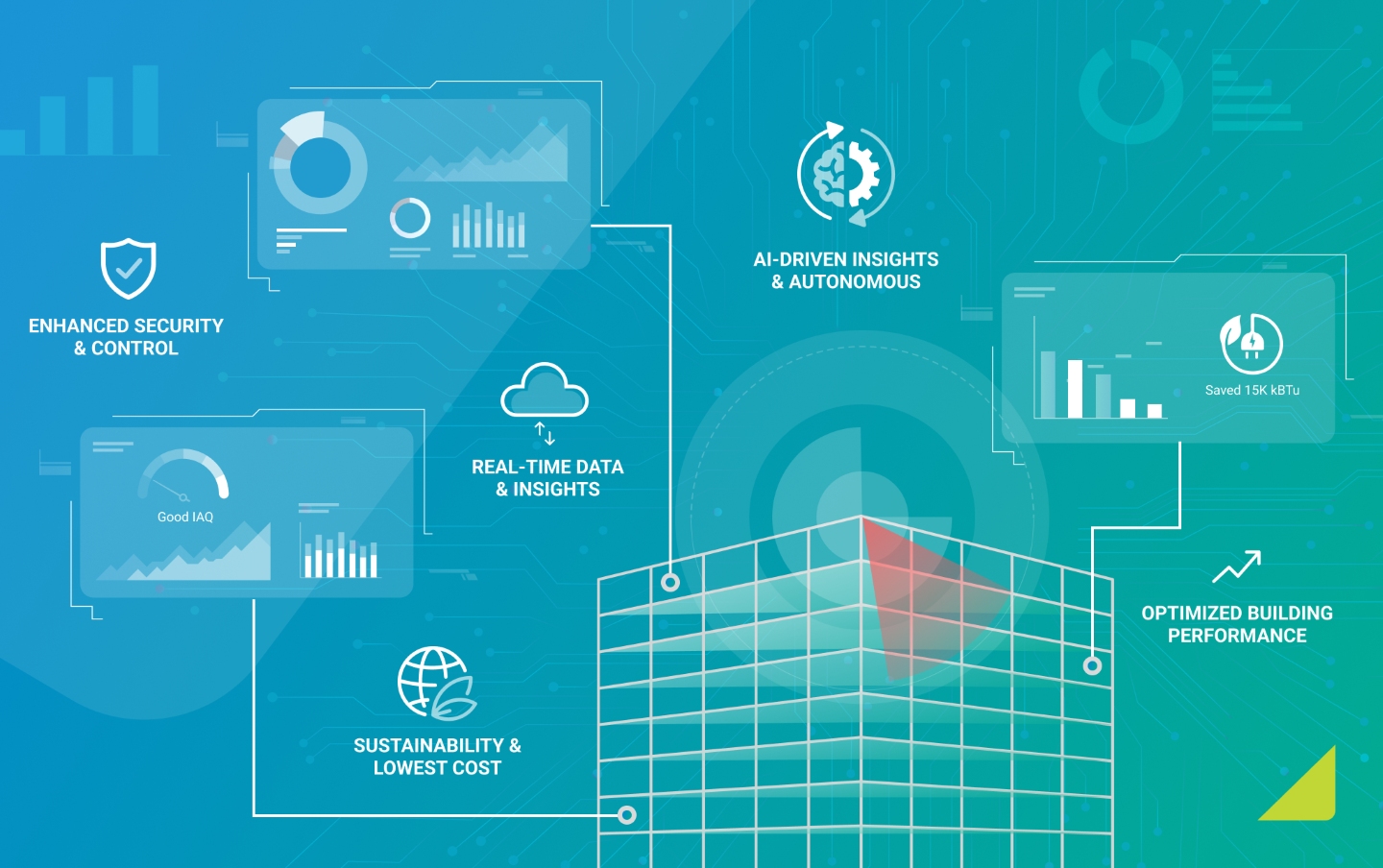
Smart building automation connects HVAC, meters, sensors, alarms and control systems into one platform — so Facility Managers can see what’s happening, take action through bi-directional control, and verify savings across an entire portfolio.
What Is Smart Building Automation?
Smart building automation connects building systems like HVAC, energy meters, sensors, alarms, and controls into one intelligent platform.
But it’s important to be clear about what “automation” actually means.
Automation is not just dashboards or data collection. It’s the combination of:
Visibility (getting the right data, consistently, at scale)
Decision-making (knowing what matters and what to prioritise)
Action (bi-directional control to implement change)
Verification (proving outcomes and savings)
Instead of reacting after failures occur, Facility Managers can:
Detect faults and inefficiencies early
Prioritise actions based on real operational impact
Change schedules, setpoints and overrides remotely
Track what was done, and what it delivered
This shift is what turns facility operations from constant firefighting into measurable performance improvement.
Why Facility Managers Are Adopting Automation Faster Than Ever
Several pressures are accelerating adoption — and none of them are going away.
Rising Energy and Operational Costs
When energy costs rise, small inefficiencies become big numbers. Automation makes waste visible continuously — and allows teams to fix it quickly.
Pressure to Meet ESG and Carbon Targets
ESG reporting is no longer optional. Facility teams need accurate data, consistent tracking, and confidence that savings are real.
Limited FM Resources
Portfolios keep growing, but teams don’t. Automation helps Facility Managers prioritise what matters and avoid spending time on low-value issues.
Need for Portfolio-Wide Visibility
Managing buildings one at a time doesn’t scale. Leadership wants to know performance across regions, brands, asset types and portfolios.
Demand for Measurable ROI
Executives want evidence. Modern automation platforms link operational changes to measurable results.
Bi-Directional Control: Turning Insights Into Savings
Collecting data is only the first step. Many platforms can generate reports and alerts.
But insights don’t save energy — actions do.
Bi-directional control enables teams to:
Adjust HVAC schedules to eliminate out-of-hours running
Correct incorrect setpoints and poor tuning
Resolve simultaneous heating and cooling
Reset nuisance alarms and reduce repeat call-outs
Deploy proven optimisation strategies across hundreds of sites
This is what allows Facility Managers to move from “monitoring buildings” to operating buildings as a high-performing portfolio.
Key Smart Building Automation Trends Facility Managers Should Watch in 2026
Smart buildings are evolving fast. Facility Managers who stay ahead of these trends gain a real operational advantage.
1. AI-Driven Energy Optimisation
AI is helping teams identify abnormal consumption patterns and prioritise corrective actions. In 2026, the winners will be teams who connect AI insights directly into operational workflows.
2. Predictive Maintenance Over Reactive Repairs
Instead of waiting for equipment failures, automation detects early warning signs and enables planned intervention — reducing downtime and improving occupant experience.
3. Portfolio-Level Performance Benchmarking
Facility Managers can compare buildings, regions and systems to identify underperformers, replicate best practice, and standardise performance.
4. Built-In Sustainability and Carbon Reporting
Energy, emissions, intensity metrics and savings tracking are increasingly built-in — eliminating manual spreadsheets and improving audit confidence.
5. Automated Workflows from Alerts
Alerts should trigger action. The strongest platforms connect alerts into tasks, events, follow-ups and reporting — reducing delays and closing the loop.
How Smart Building Automation Reduces Operational Costs
Reducing operational costs doesn’t always require new equipment.
In many portfolios, the biggest savings come from operating what you already have more effectively — with better visibility, faster response, and consistent tuning at scale.
Common Sources of Cost Leakage
Energy inefficiencies that persist unnoticed
Equipment running outside schedules
Poor tuning (setpoints, deadbands, overrides)
Repeated reactive maintenance
Unverified contractor work
Manual reporting overhead
How Automation Delivers Real Savings
Smart building automation enables:
Continuous energy monitoring
Alert-based detection of inefficiencies and faults
Remote operational change via bi-directional control
Task tracking and accountability
Verified savings reporting
Benchmarking across sites and portfolios
Facility Managers can show exactly what was done, why it was done, and what value it delivered — at portfolio scale.
How Platforms Like Switch Automation Support Facility Managers
Platforms such as Switch Automation help Facility Managers move from data overload to operational outcomes across complex portfolios.
Key capabilities include:
Centralised dashboards and portfolio reporting
Automated alerts tied to real operational impact
Bi-directional control to implement change remotely
Event and task workflows connected to performance
Cost, savings and value attribution
Clear reporting for leadership and stakeholders
The goal isn’t more data. The goal is repeatable performance improvement — and the ability to prove it.
From Firefighting to Strategic Facility Management
The biggest transformation smart building automation enables is cultural.
Facility Managers move from:
Reacting to problems
Managing issues in silos
Spending hours on manual reporting
Relying on service providers without visibility of outcomes
To:
• Proactive decision-making
• Portfolio-wide optimisation
• Faster issue resolution and fewer repeat problems
• Clear communication of value to leadership
That’s the real transformation happening in 2026.
If you’re managing a growing building portfolio, the question is no longer whether you should modernise building operations — it’s how fast you can do it safely, consistently, and at scale.
If you would like to explore what this could look like for your portfolio, talk to the Switch team.
Talk to a smart building expert to learn more about how Switch helps portfolio managers reach their sustainability goals.
Lorem Ipsum is simply dummy text of the printing and typesetting industry. Lorem Ipsum has been the industry's standard dummy text ever since the 1500s
Laure Salou
Director of Product Design & Experience | Switch Automation
Lorem Ipsum is simply dummy text of the printing and typesetting industry. Lorem Ipsum has been the industry's standard dummy text ever since the 1500s
Jorde Ranum
Technical Lead – Smart Building Solutions | Switch Automation
By clicking “Accept All Cookies”, you agree to the storing of cookies on your device to enhance site navigation, analyze site usage, and assist in our marketing efforts. View our Privacy Policy for more information.